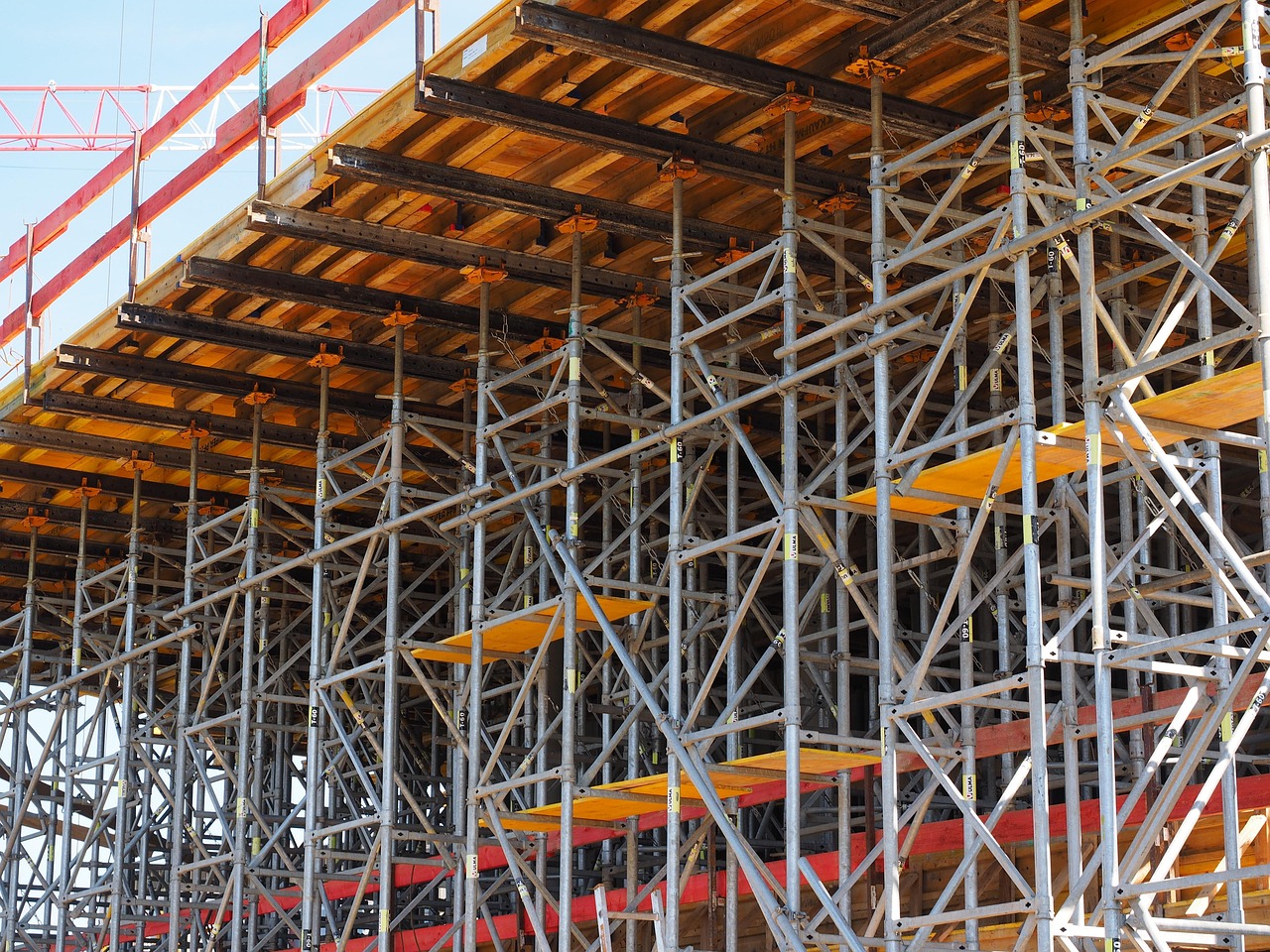
The scaffolding cost for a semi-detached house typically falls between £600 and £2,000 for most standard jobs, though a full-wrap scaffold covering all three elevations can push beyond that. The final figure depends on which faces of the house need covering, how high the scaffold must reach, and how many weeks it stays in place.
Which elevations does your semi need?
A semi-detached house has three external faces: the front, the rear, and the side return — the exposed gable end that runs along the boundary with the non-attached neighbour. Many jobs only require access to one or two of these, which keeps costs down considerably.
- Front elevation – the most common single-elevation job. Fascia board replacement, window installation, chimney stack repair, or repointing above the first floor all typically need front-only access.
- Rear elevation – often needed for roofline work, single-storey extension builds, or replacing rear patio doors. The rear is usually less constrained by street access but may involve a garden or fence line to work around.
- Side return (gable end) – required if you're repointing the exposed gable, replacing a chimney on that elevation, or applying render across the entire flank wall.
- Full wrap – a scaffold that ties all three elevations together. Usually reserved for full roof replacements, whole-house render, or major external refurbishments.
Scaffolding cost semi detached – typical ranges by job
The figures below reflect UK averages for a standard two-storey semi. Costs vary by region — London and the South East typically run 20–30% higher — and by local contractor rates.
| Job type | Elevations covered | Approximate scaffold cost |
|---|---|---|
| Fascia, soffit, and guttering replacement | Front only | £600–£900 |
| Chimney stack repair or repoint | Front or rear plus stack | £700–£1,100 |
| Full roof replacement | Front, rear, and side | £1,200–£2,000 |
| External render (partial) | One or two elevations | £800–£1,400 |
| Full external render | All three elevations | £1,400–£2,200 |
| Single-storey rear extension build | Rear only | £500–£900 |
These are scaffold hire and erection costs only — the tradespeople carrying out the roof, render, or joinery work will bill separately. Always check whether a quote includes delivery, erection, the hire period, and dismantling, as not all quotes do.
The shared boundary — and why it matters
The defining feature of a semi is that one side of the house is attached to your neighbour. This shapes the scaffolding in two practical ways.
The party wall itself typically cannot have scaffold tubes fixed to it without your neighbour's agreement under the Party Wall etc. Act 1996. For most jobs this isn't an issue — scaffold is usually anchored to your own masonry — but if the scaffold needs to cross over next door's garden or straddle a shared gable end, a conversation is needed in advance.
If the scaffold needs to stand on or over a shared driveway, boundary path, or public pavement, you may also need a licence from your local council. Your scaffolding contractor should handle this application — it's sometimes called a highway licence — but allow a few extra days' lead time.
If you're not sure what configuration your job will need, you can estimate your scaffolding cost with the free ScaffSource calculator before ringing round for quotes.
Front-only scaffolding: the most common configuration
The majority of scaffolding jobs on semi-detached homes are front-only. Replacing the fascia boards, fitting new windows, repointing above the first-floor line, or tackling a front chimney stack can all be done without touching the rear or gable.
A front-only scaffold on a standard two-storey semi will usually be two or three lifts high — a lift being each horizontal working platform. For most semis this provides comfortable access to the eaves. A chimney stack sitting above the roofline will add to the cost, as scaffolders need a higher platform to meet Working at Height Regulations 2005 requirements.
Rear and side return scaffolding
Rear access is often more straightforward than it looks. Most semi-detached gardens can be reached down the side passageway or through the house, and scaffolders are well used to working in tighter back gardens. If ground levels differ significantly front to back, or there's a large outbuilding in the way, the price may increase slightly.
The gable end — the exposed triangular section of wall on the open side of a semi — is easy to overlook until something goes wrong. If you're having the exterior repointed, rendered, or painted, include the full height of the gable in your scope. It's often a longer run of masonry than people expect, and covering it properly usually means an extra bay or two on the scaffold.
How long will the scaffold be up?
Scaffold hire for a standard semi-detached job is typically quoted for a four-week period. If the contractor finishes in ten days, the scaffold usually stays up until the agreed hire period ends — unless you arrange and pay for early collection. If work overruns, most companies charge a weekly extension fee.
The hire period matters because it directly affects the semi-detached scaffolding price. A longer job — such as a full external render — may require six to eight weeks of scaffold, which adds significantly to the base cost. When comparing quotes, confirm that the hire period matches the realistic duration of your planned work.
What else affects the price?
Beyond the size and height of the scaffold, several other factors can push the final figure up or down:
- Height – a standard two-storey semi is a baseline job. Taller gables, loft dormers, or chimney stacks well above the ridge line will cost more to reach safely.
- Access constraints – a scaffold over a public pavement requires a highway licence and sometimes traffic management, adding cost and lead time. Tight side passages, sloped ground, or a cluttered rear garden all add time on site.
- Duration – the longer the scaffold stays up, the higher the hire cost. Short, well-planned jobs are cheaper per week than open-ended ones.
- Region – scaffold labour and plant costs are highest in London, the South East, and major cities such as Bristol, Edinburgh, and Manchester. Rural areas generally come in lower.
- Contractor credentials – a NASC-member company working to TG20 guidance may charge a little more than a smaller independent firm. The tradeoff is typically better insurance cover, documented risk assessments, and compliance with the Working at Height Regulations 2005.
Getting a fair semi-detached scaffolding price
A few practical steps help you avoid overpaying — or being caught out by hidden extras:
- Get at least two independent quotes from local scaffolding contractors, not just the scaffolding bundled into a tradesperson's overall price. Independent quotes give you a clear baseline.
- Agree the scope in writing. The quote should specify which elevations are covered, the number of lifts, the hire period, and the weekly rate charged if work overruns.
- Talk to your neighbour early. If the scaffold goes anywhere near the shared boundary, a quick conversation before the lorry turns up is far less stressful than sorting it out on the day.
Before approaching contractors, it helps to know what a reasonable price looks like. You can get an instant price for your job with the ScaffSource calculator — it takes about two minutes and gives you a realistic range based on your postcode, property type, and the work you're planning.
You'll also find more pricing guides and cost breakdowns across the ScaffSource blog.
The short version
Semi-detached houses typically need scaffolding on one, two, or all three external elevations depending on the job. Front-only scaffold for routine maintenance costs roughly £600–£900; a full-wrap scaffold for a roof replacement or whole-house render is more likely to be £1,200–£2,000 or above. The shared boundary with your attached neighbour is rarely a significant problem but worth addressing early, especially if the scaffold needs to cross into their garden or over a shared drive. Get at least two independent quotes, confirm what the hire period covers, and agree the full scope in writing before signing anything.