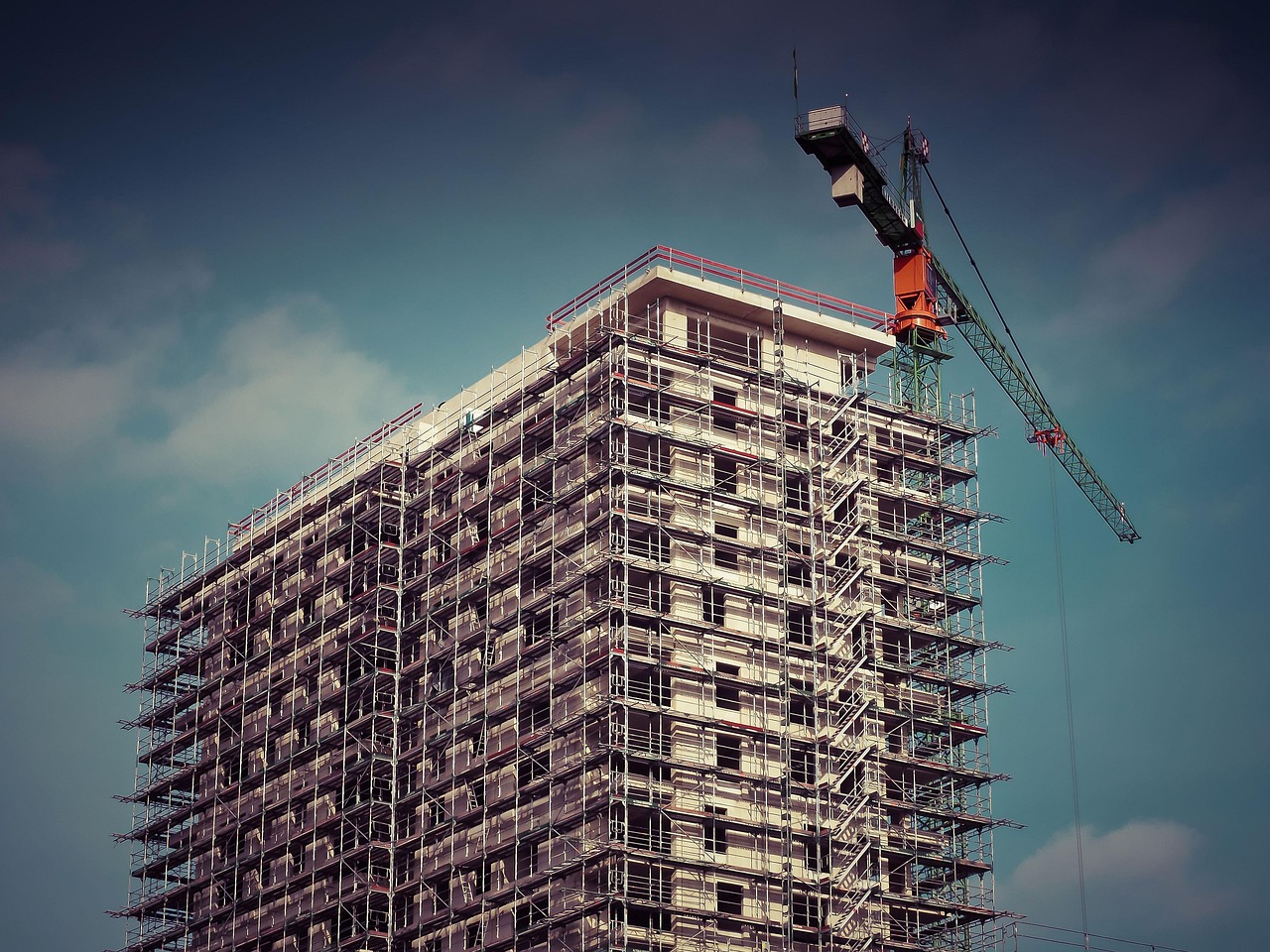
Scaffolding for solar panels is not an optional extra — it is a legal requirement that applies to virtually every rooftop installation in the UK.
This applies to a four-panel array on a terrace as much as a full installation on a large detached property. Under the Working at Height Regulations 2005, rooftop work requires a safe, stable platform with proper edge protection. If you are gathering solar quotes and wondering why scaffolding keeps appearing as a line item — or why it is not appearing at all — this guide explains what is required, how installers handle it, and what solar panel scaffolding cost typically adds to your bill.
Why Scaffolding Is Required for Solar Panels
Fitting solar panels means spending several hours at roof height, managing panels, cabling, and fixings at the same time. UK health and safety law requires that any work at height which cannot be performed from a safe surface must be properly planned and protected against falls.
For most domestic properties — a two-storey semi-detached or terraced house — that means a scaffold erected along the relevant roof elevation, providing a working platform and guardrails. A stepladder is not sufficient. A cherry picker can occasionally substitute on very simple access jobs, but it is rarely practical for a full installation where workers need to move freely along the roof face for several hours.
The HSE (Health and Safety Executive) places the duty to manage risk at height on the person directing the work. An installer who sends workers onto your roof without compliant scaffolding is in breach of the regulations — and your home insurance may not cover any damage or injury that results.
The Regulations Behind Scaffolding for Solar Installation
The Working at Height Regulations 2005 require that work at height be properly planned, supervised, and carried out in a way that prevents a fall — or, where that is not possible, minimises the consequences of one.
For rooftop solar work, compliant edge protection typically means:
- A scaffold platform at or near eaves height
- Guardrails on all exposed edges — toe boards, mid-rails, and top rails
- Safe access from the ground, usually via a ladder with a safety cage or a scaffold staircase
- The structure erected, inspected, and handed over by a competent scaffolding contractor
The NASC (National Access & Scaffolding Confederation) and the TG20 guidance set the industry standard for scaffold design and load ratings in the UK. A reputable solar installer will either operate their own scaffolding team or use a contractor who works to these standards. If you ask a company which scaffolding guidance their contractor follows and they cannot answer, treat that as a warning sign.
How Solar Installers Handle Scaffolding
Scaffolding for solar installation is handled in one of three ways, and knowing which applies to your quote matters before you sign anything.
Included in the quote
Many larger solar companies include scaffolding in their overall price, either through an in-house team or a contracted scaffolding firm. This is the simplest arrangement — one invoice, one point of contact, and the installer takes full responsibility for compliance. Always check whether the quote explicitly states scaffolding is included. Some companies list it as a separate line item; others fold it into the total without making it obvious.
Subcontracted and separately invoiced
Some installers arrange scaffolding on your behalf but invoice it as a separate item. This is common among smaller solar companies without in-house scaffolding capability. The scaffolding contractor works to the installer's schedule, but you receive a separate bill. There is nothing wrong with this model provided the specification and timing are agreed clearly upfront.
Homeowner-arranged
Occasionally a small or sole-trader installer will ask you to book and pay for scaffolding yourself. This is less common and can cause scheduling complications — the scaffold must be in place before the installers arrive and remain up until the work is fully complete. If this is the arrangement, confirm the required scaffold specification with your installer before booking, and get the agreed timeline in writing.
Solar Panel Scaffolding Cost: What to Budget
The solar panel scaffolding cost depends on your property type, how many roof elevations need covering, how long the scaffold needs to stay up, and where you are in the UK. London and the South East typically attract a premium over other regions, and access difficulties — a narrow side passage, sloping ground, or a busy road — can push costs up. To see what your specific project is likely to cost, you can estimate your scaffolding cost using the free ScaffSource calculator before accepting any quote.
| Property type | Typical scaffold duration | Relative cost range |
|---|---|---|
| Two-storey terraced or semi-detached (one elevation) | 1–3 days | Lower end of domestic rates |
| Two-storey detached (one or two elevations) | 2–5 days | Mid-range domestic rates |
| Bungalow (low-pitch roof) | 1–2 days | Lower end; tower alternative may suit |
| Three-storey property | 3–7 days | Higher end; additional lift required |
| Commercial or flat-roof property | Varies | Request dedicated quotes |
These ranges are illustrative. Actual costs depend on access difficulty, ground conditions, and local demand. If scaffolding is absorbed into an installer's overall price, comparing two or three quotes is the best way to sense-check whether the figure is reasonable for your area.
What the Scaffold Itself Includes
A properly specified scaffold for solar panel installation will typically provide:
- A working platform at eaves height running the full width of the relevant roof section
- Guardrails on all open sides — toe boards, mid-rails, and top rails
- Ladder or staircase access from the ground
- Scaffold boards that are adequately supported and secured
- A handover certificate confirming the structure has been inspected before use
Solar scaffold hire durations are short compared with other roofing jobs. In most cases the scaffold goes up the day before installation, the panels are fitted the following day, and the scaffold is struck within a day or two of completion. You are unlikely to have scaffold on your property for more than a week from erection to strike.
Bungalows and Flat Roofs: Is Full Scaffolding Always Needed?
Not necessarily — but do not assume you can avoid it without a proper site assessment.
For bungalows with low-pitch roofs and easily accessible eaves, a scaffold tower may be sufficient and will typically cost less than a full tube-and-fitting system. Your installer's surveyor should confirm this during the pre-installation site visit.
Flat roofs still require edge protection. The hazard on a flat roof is not sliding down a pitch but stepping backwards off an unguarded edge. Existing parapet walls may or may not be adequate depending on their height and condition. Be cautious of any installer who tells you flat-roof work needs no scaffolding without carrying out a proper survey first — that assessment needs to be made on site, not over the phone.
Timing and Scheduling: Agree Everything Before Installation Day
Solar installations move quickly once scaffolding is in place. A typical schedule looks like this:
- Day 1: Scaffold erected, inspected, and handed over
- Day 2: Panels fitted, inverter installed, cables routed (sometimes the same day on smaller jobs)
- Day 3 or later: Scaffold struck once any snagging is resolved
A delay to scaffold erection pushes the entire installation back. Confirm the scaffolding booking is in place before agreeing your installation date. If your installer is arranging the scaffold on your behalf, ask for written confirmation of both bookings at the same time — not just the installation date.
Questions to Ask Before Signing Your Solar Quote
These questions will establish exactly what you are paying for and who is responsible for compliance:
- Is scaffolding included in the quoted price, or will it be invoiced separately?
- Who arranges and pays for the scaffolding — you or the installer?
- Which scaffolding contractor will be used, and do they follow NASC guidance?
- How many days will the scaffold be in place, and is there a day-rate if the job overruns?
- Will a handover certificate be provided before work starts on the roof?
For a broader look at how scaffolding costs vary across different project types, there are pricing guides covering re-roofs, chimney repairs, loft conversions, and more on the ScaffSource blog.
Before accepting any solar quote, you can also see what your project should cost using the ScaffSource calculator — it gives you an independent baseline to compare against what you have been quoted.
The Short Version
Scaffolding for solar panels is a legal requirement under the Working at Height Regulations 2005, not an optional add-on. Most solar installers either include it in their quote or arrange it as a subcontracted line item — always confirm which before you sign. If scaffolding does not appear anywhere in your quote, ask your installer to clarify in writing whether it is included or expected from you.
Solar panel scaffolding cost varies by property size, location, and the number of elevations to be covered. For a standard two-storey domestic property, it typically forms a modest but real share of the overall installation cost. Delays to scaffolding erection push the whole job back, so make sure the booking is confirmed before your installation date is set.
Always ask for a handover certificate before work begins on your roof. It confirms that someone competent has checked the structure is safe — a small detail that matters a great deal if something goes wrong.